Chat with us
Secure payments
14-day returns

🌱We are committed to providing our customers with quality, affordable seeds. 🪴
Features
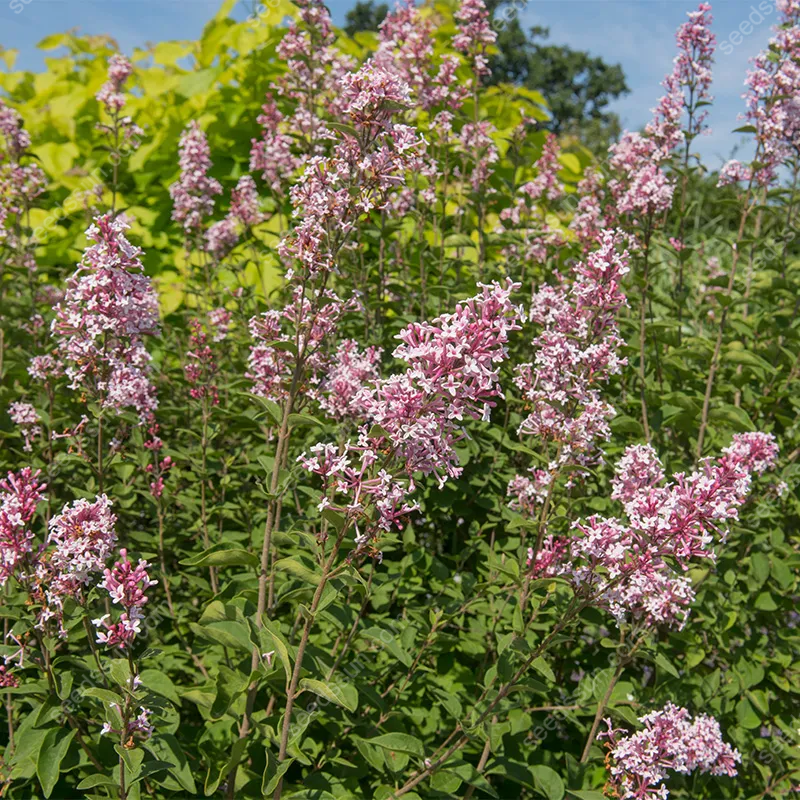
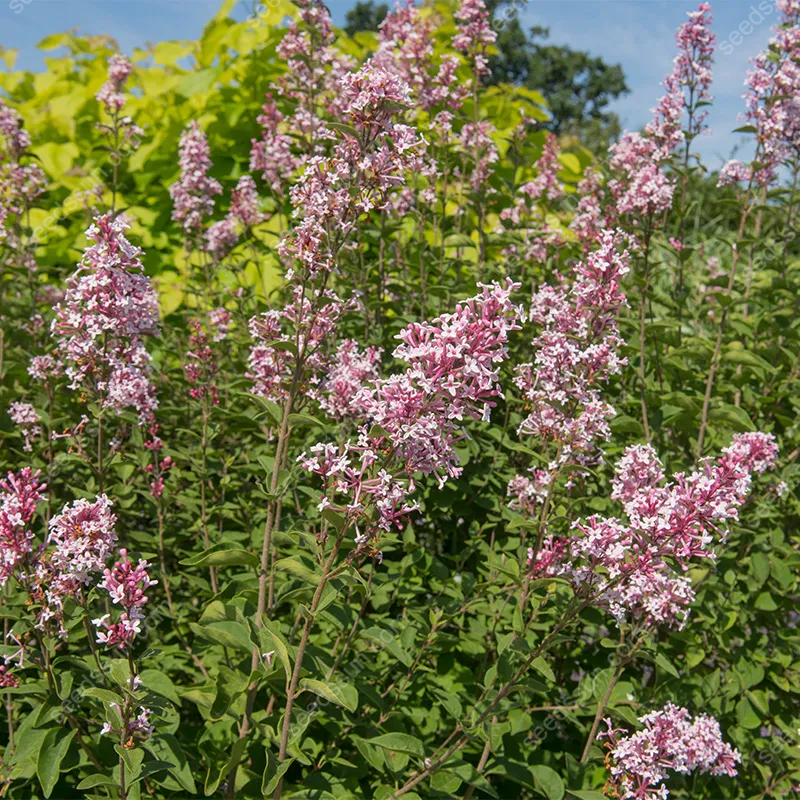
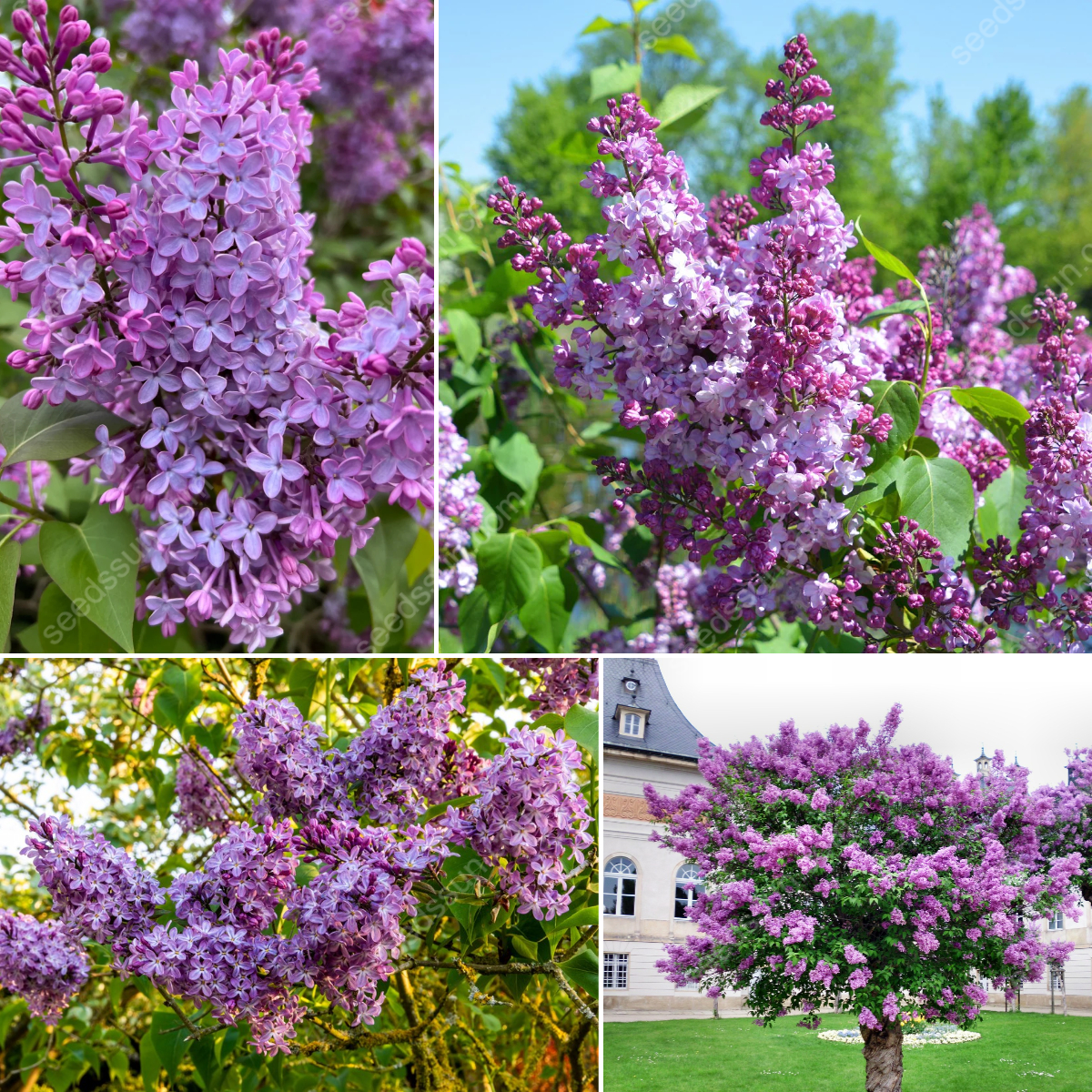
🌞Attractive Fragrance: Lilacs (Syringa vulgaris) are known for their strong aroma, which brings a pleasant fragrance to the garden.
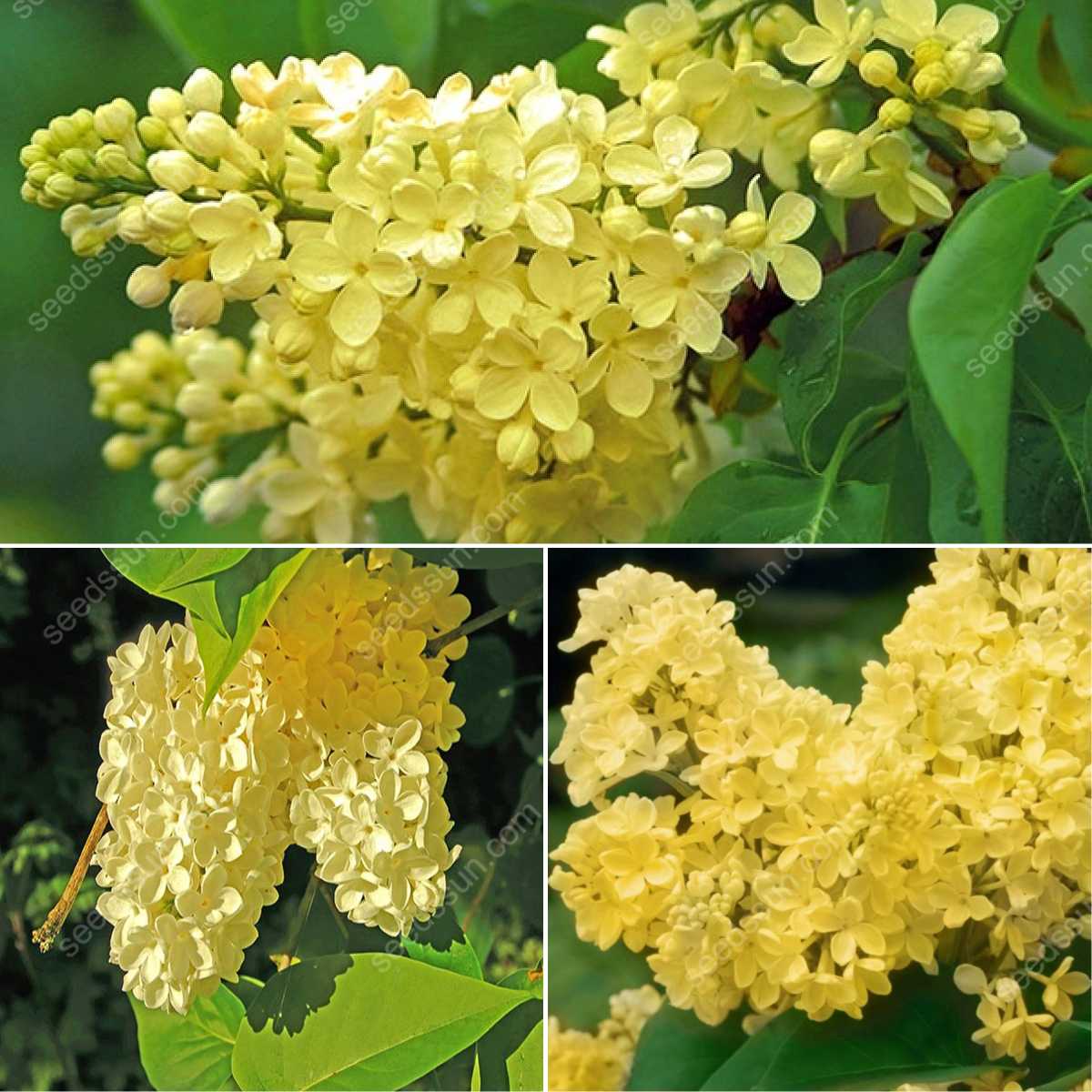
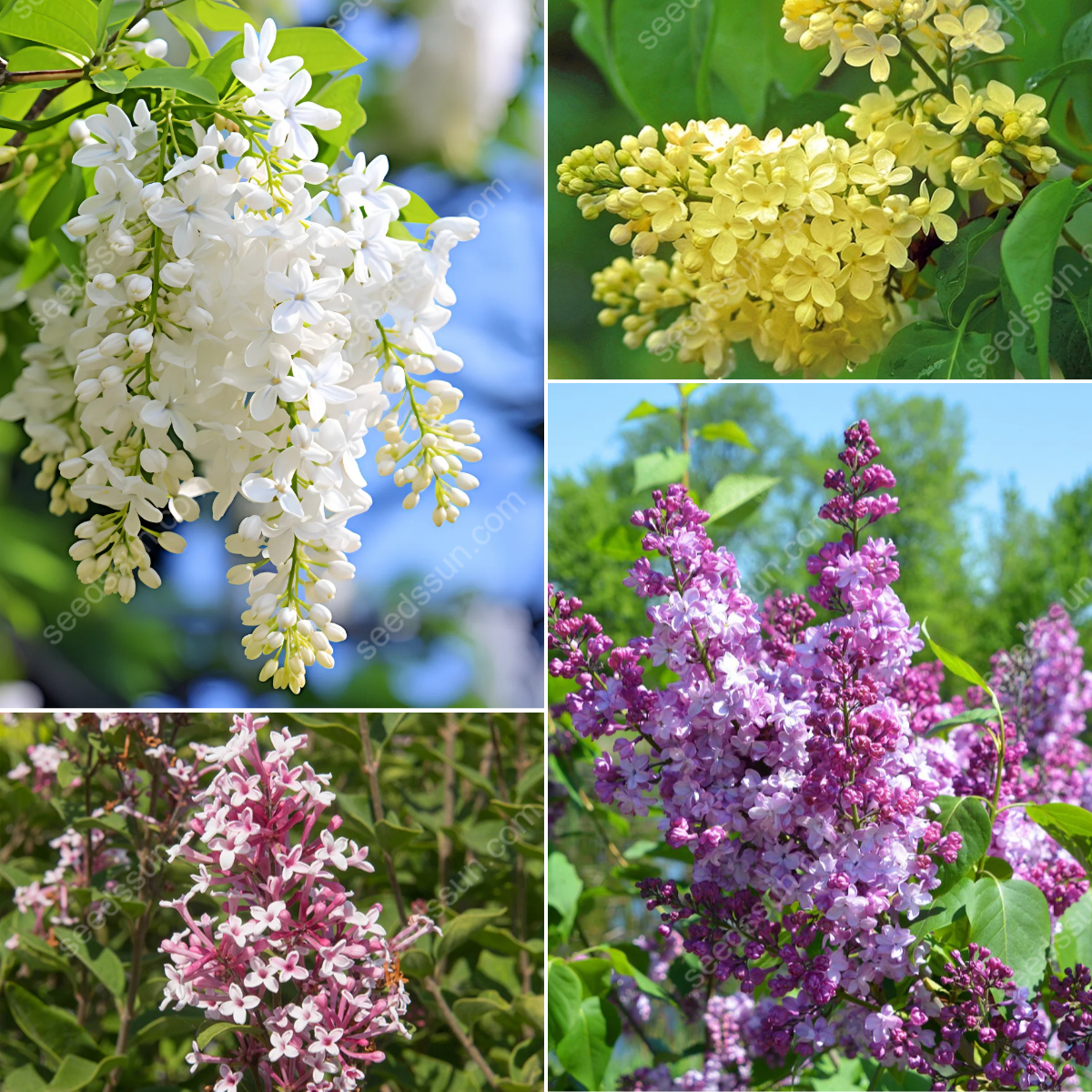
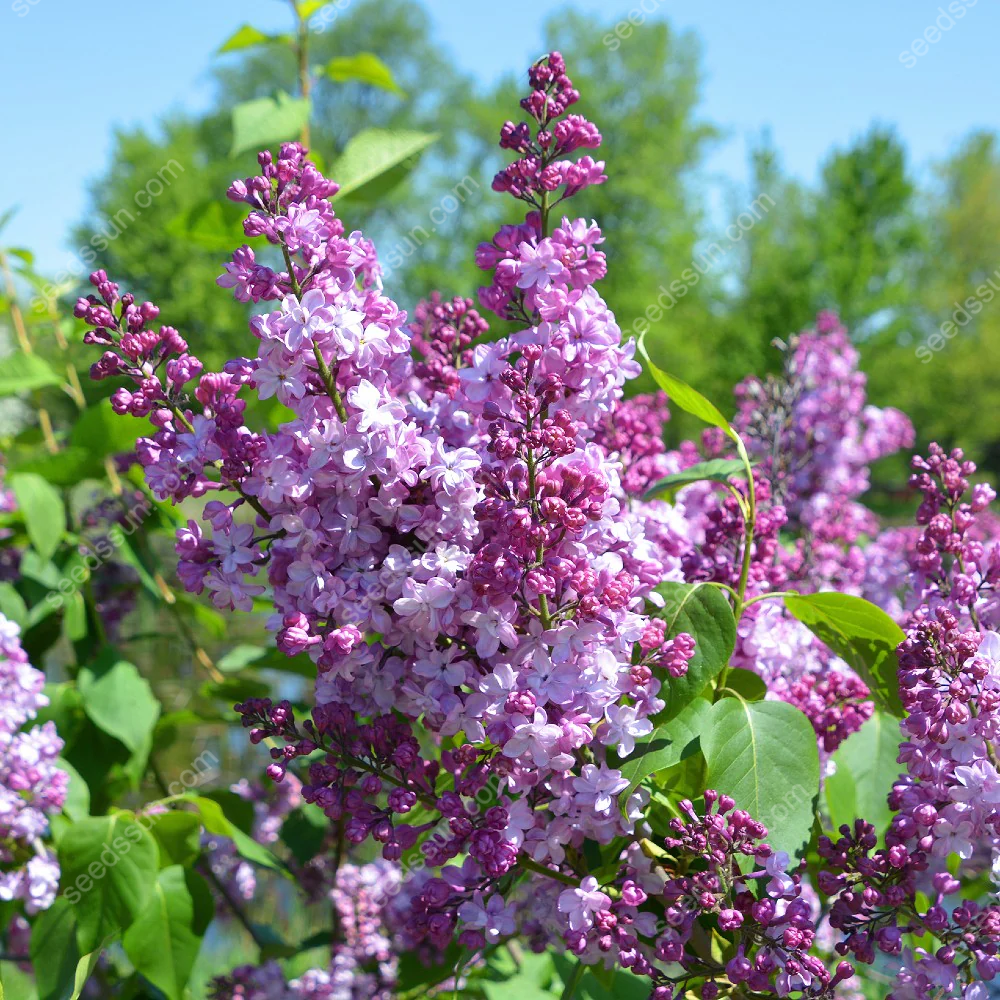
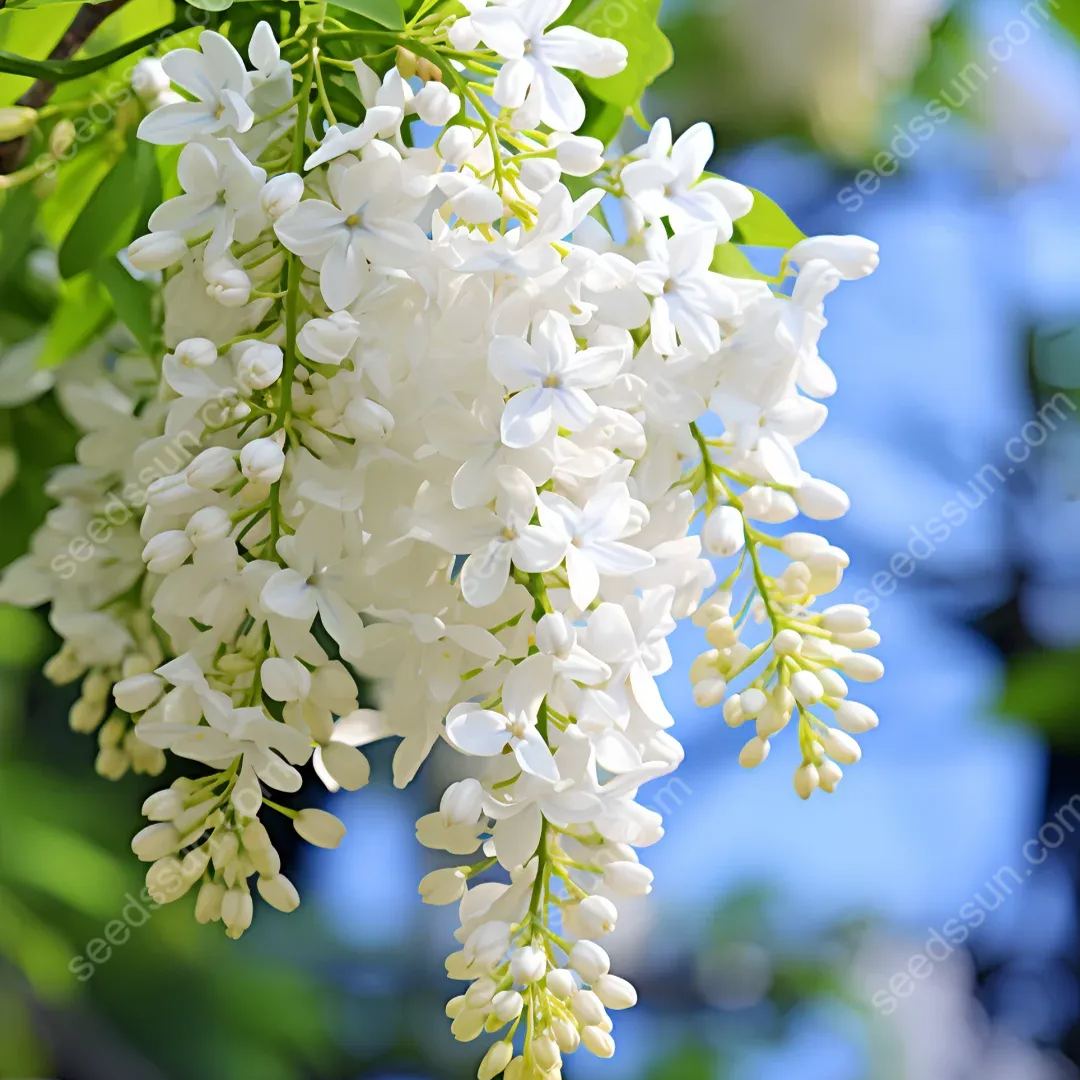
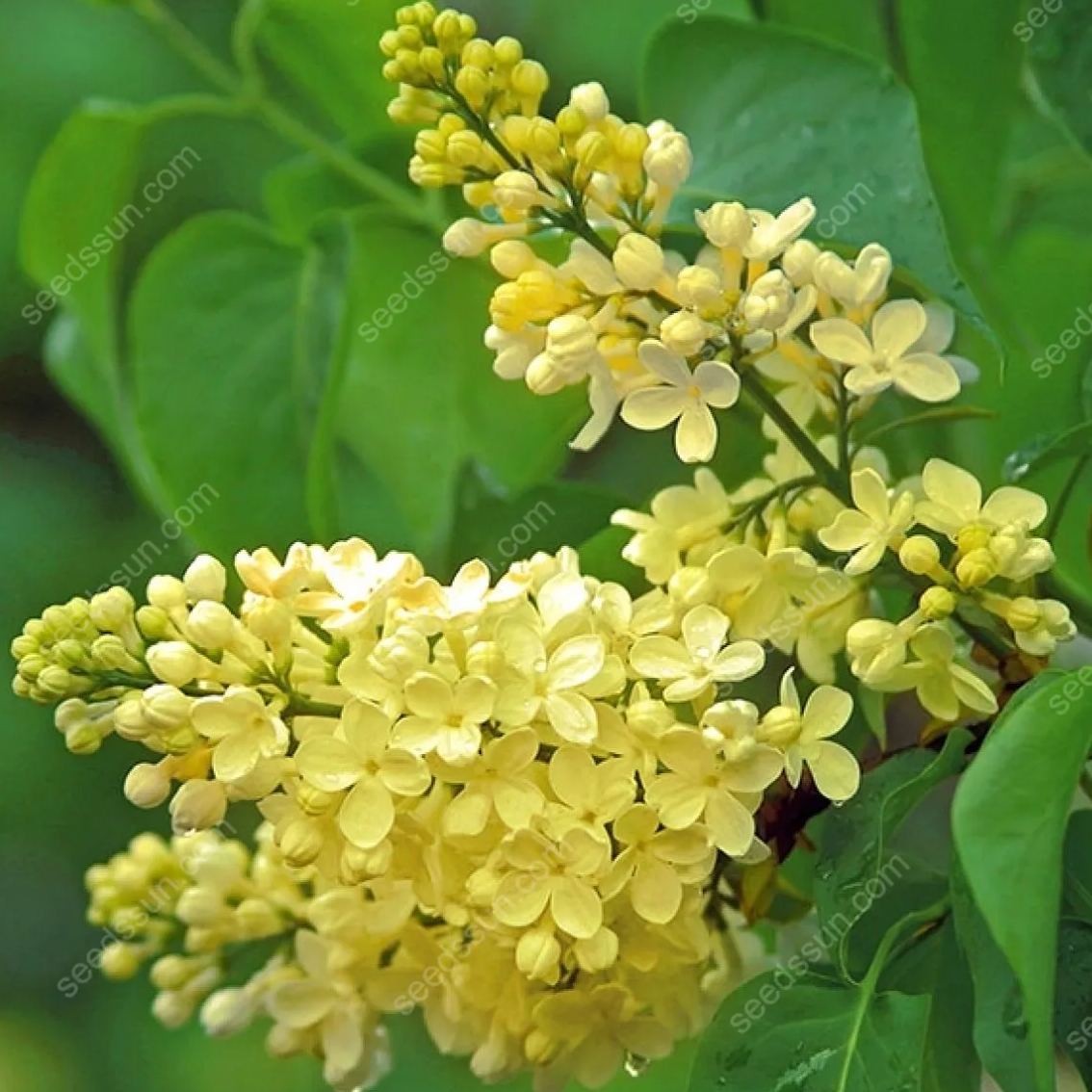
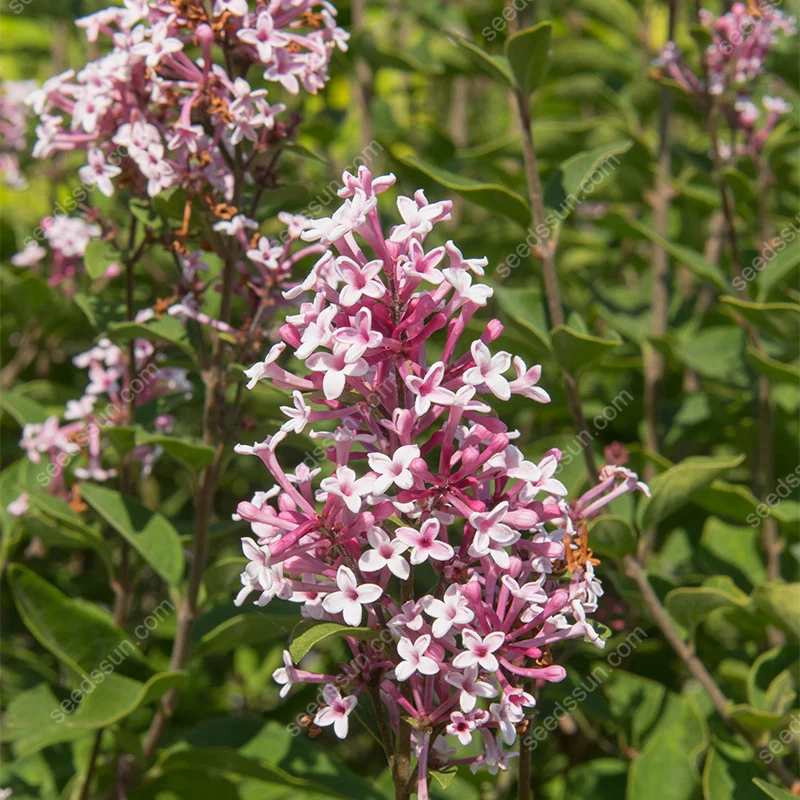
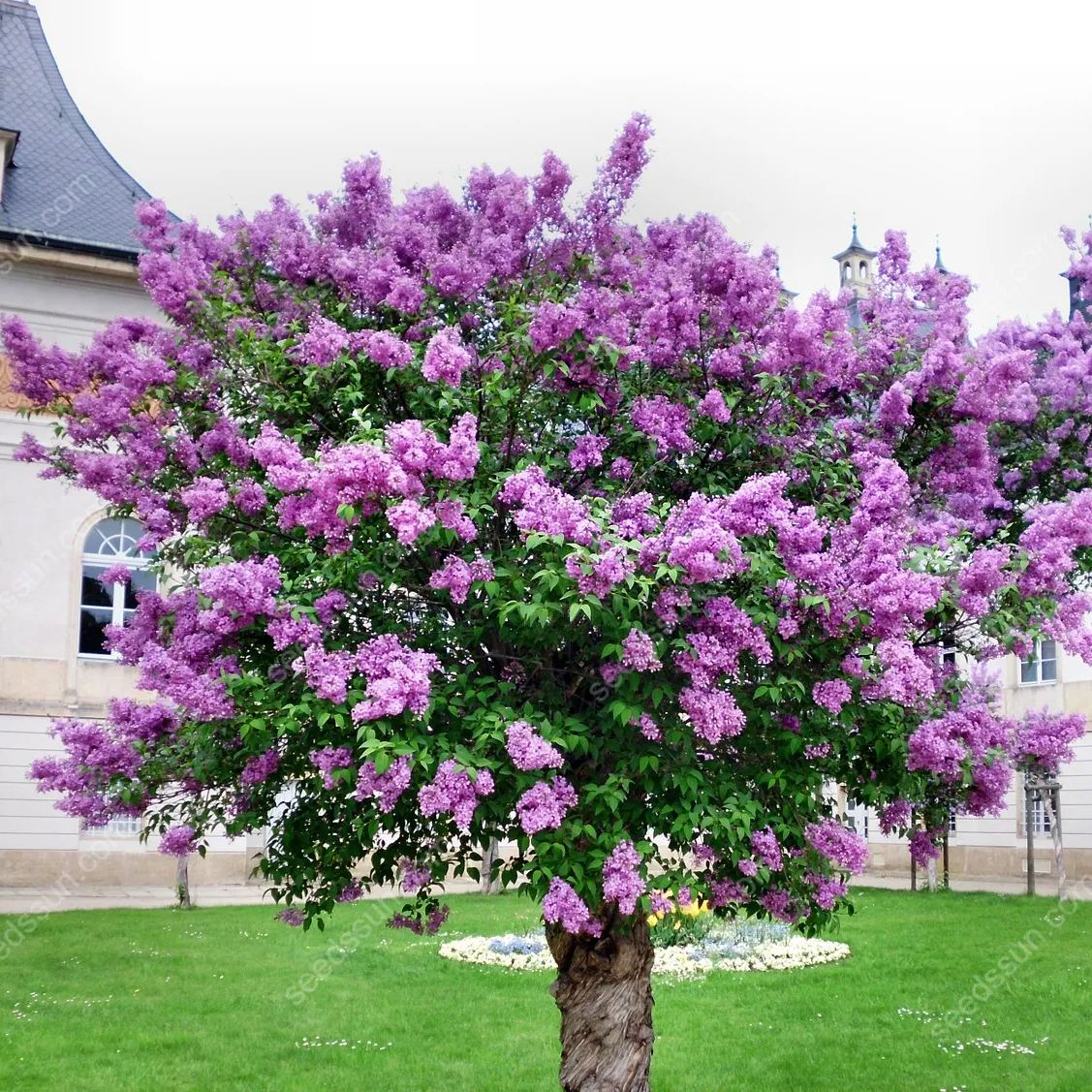
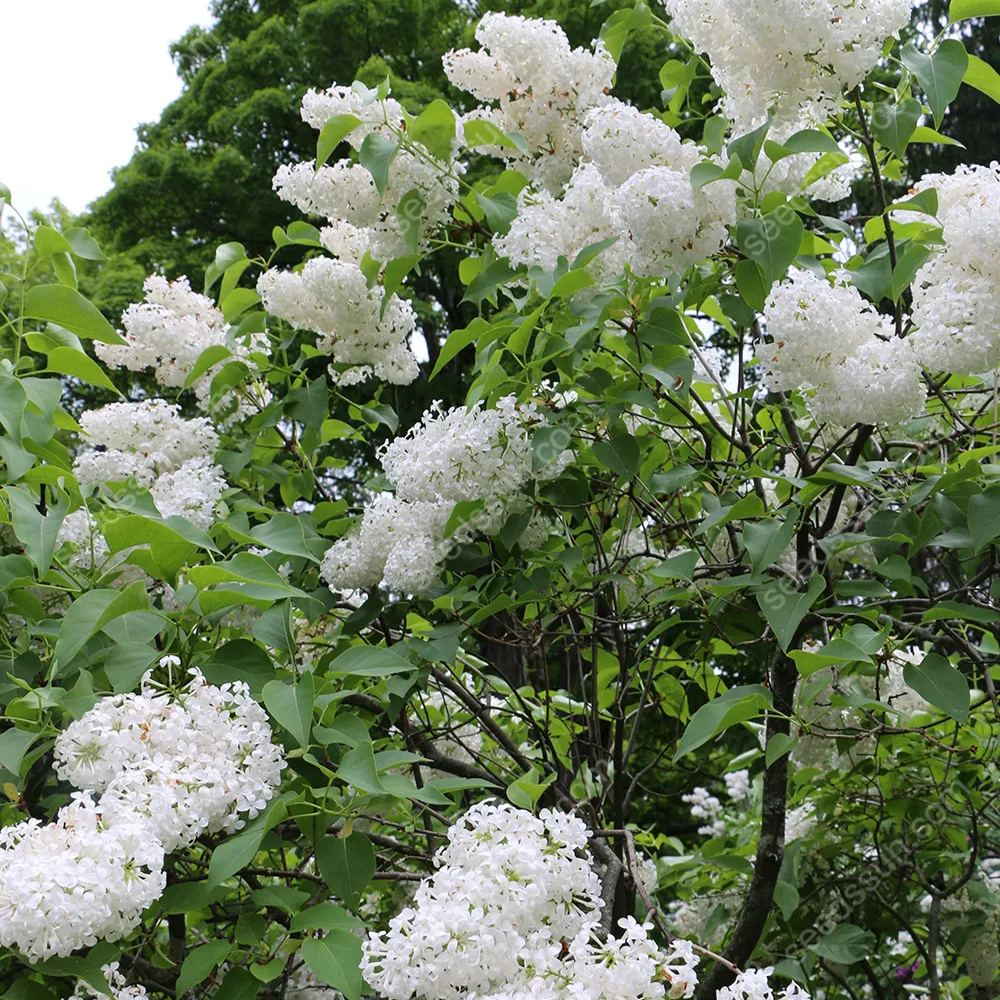
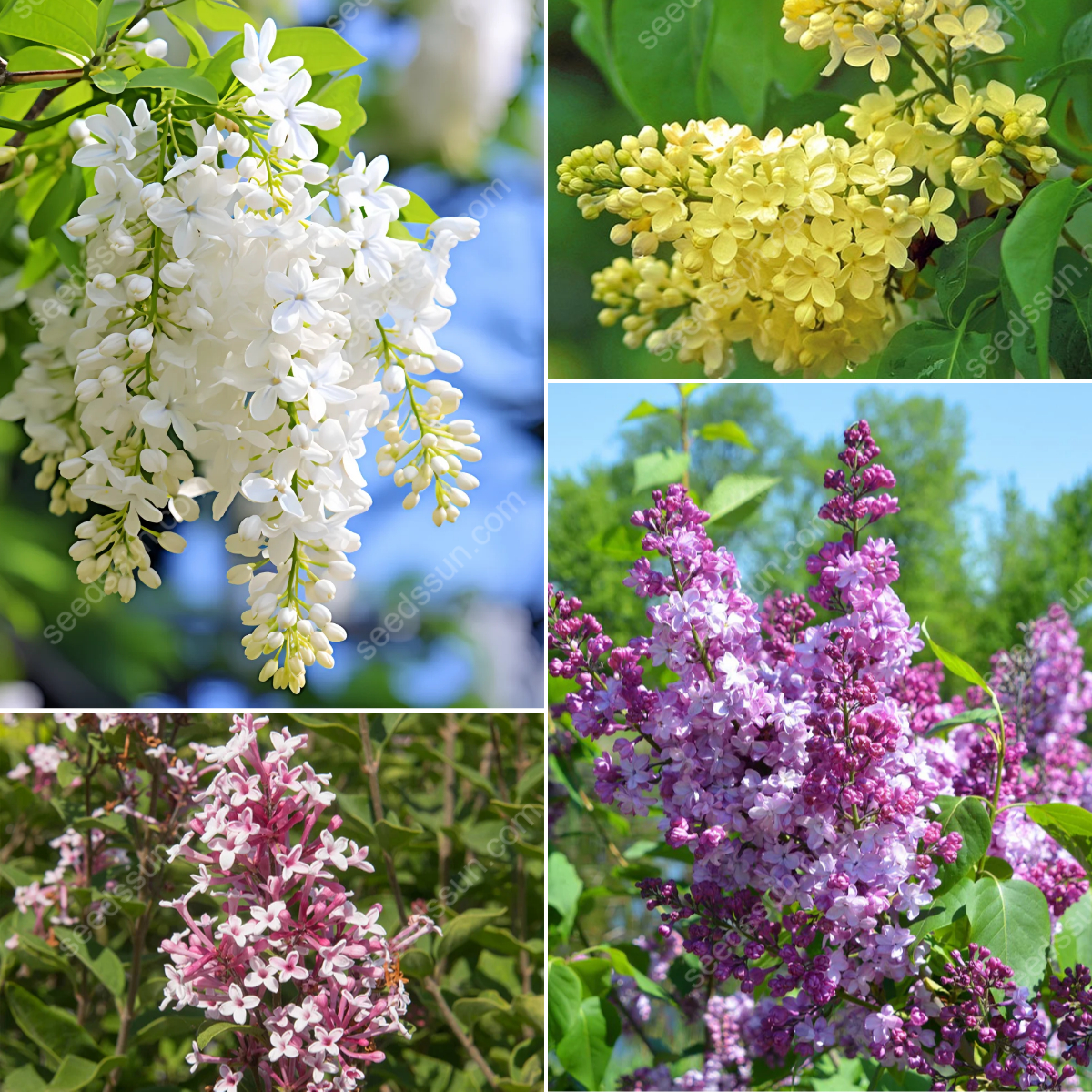
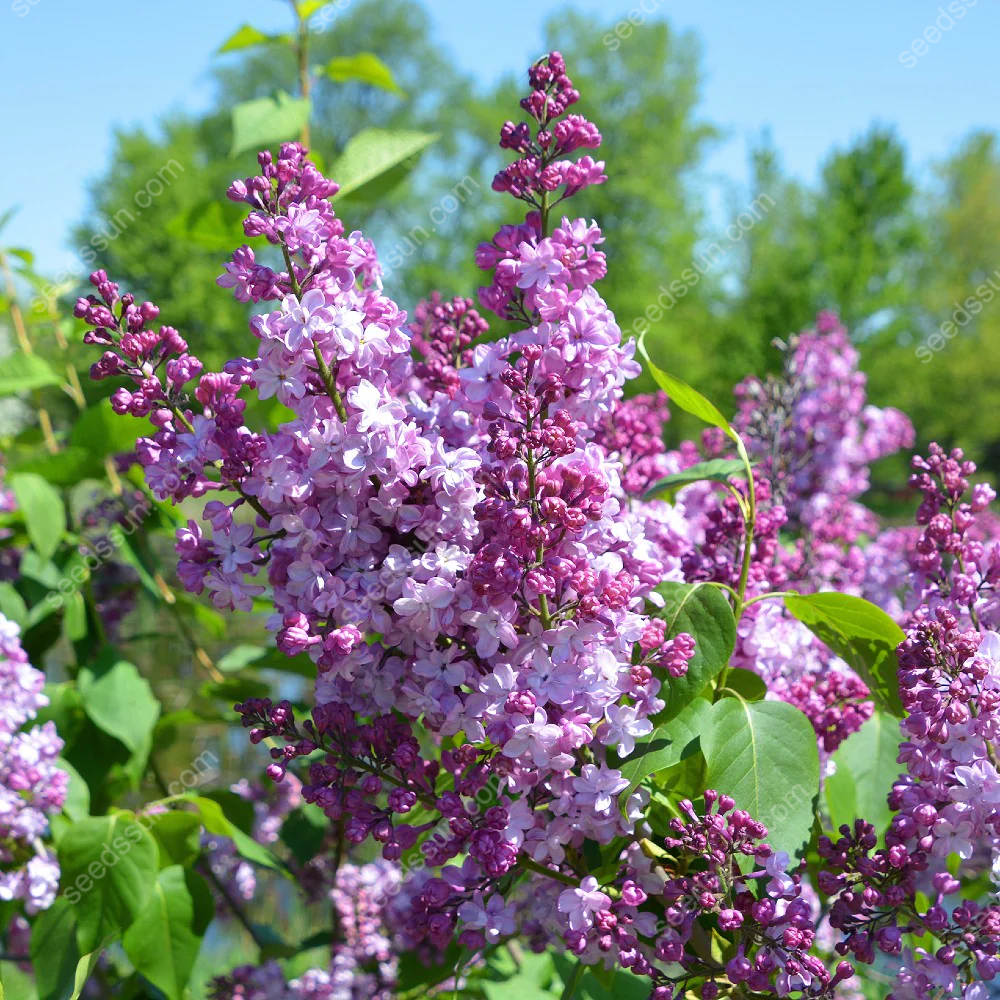
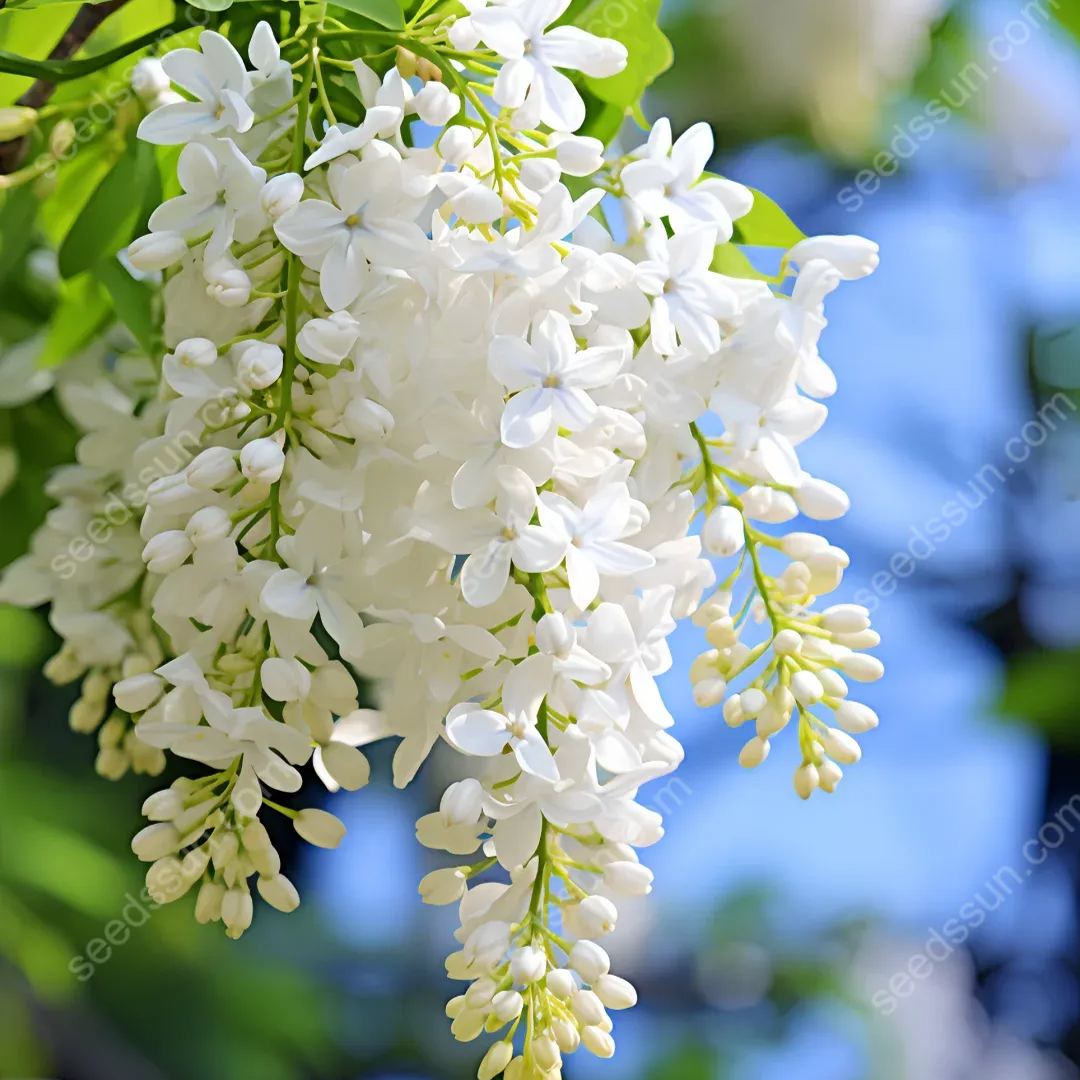
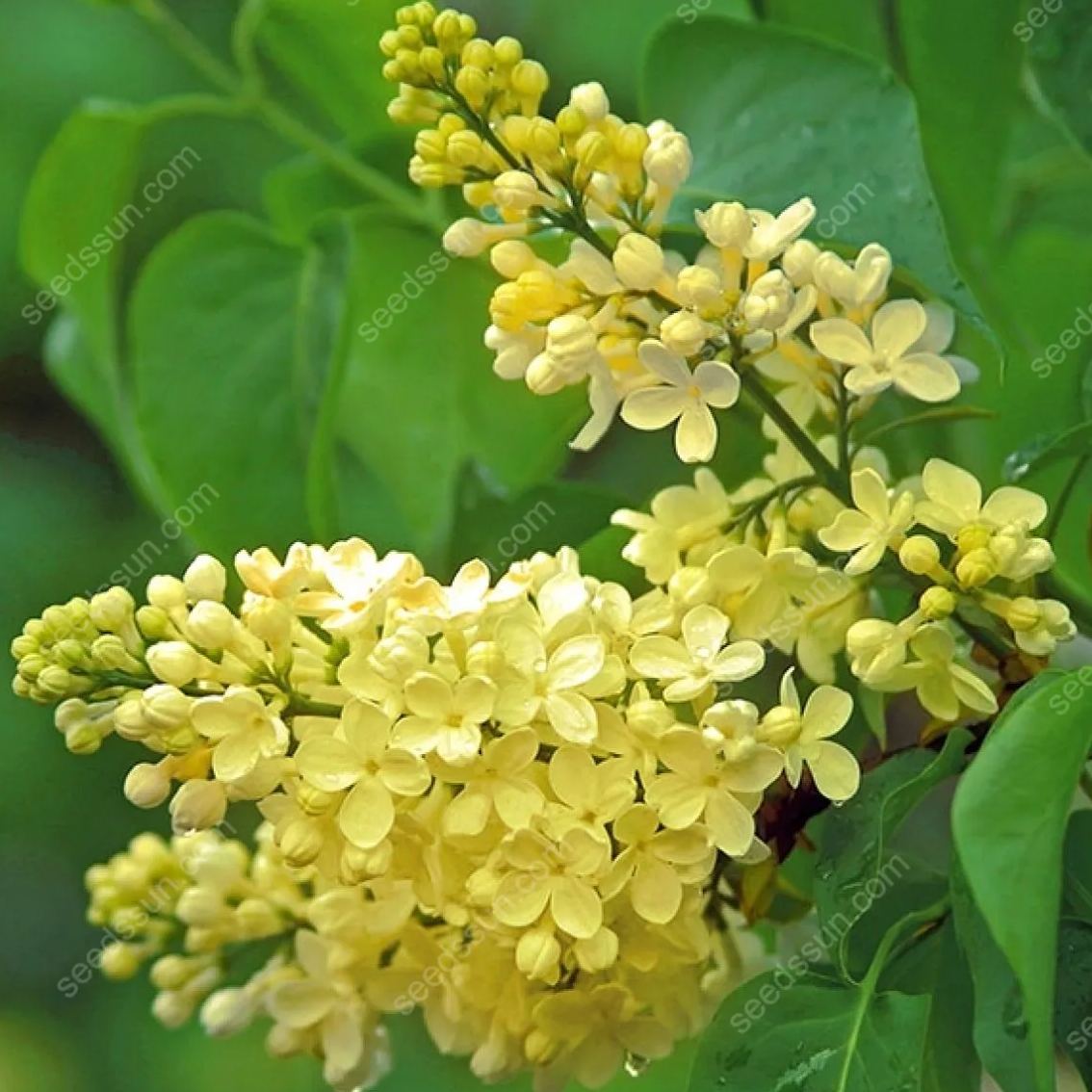
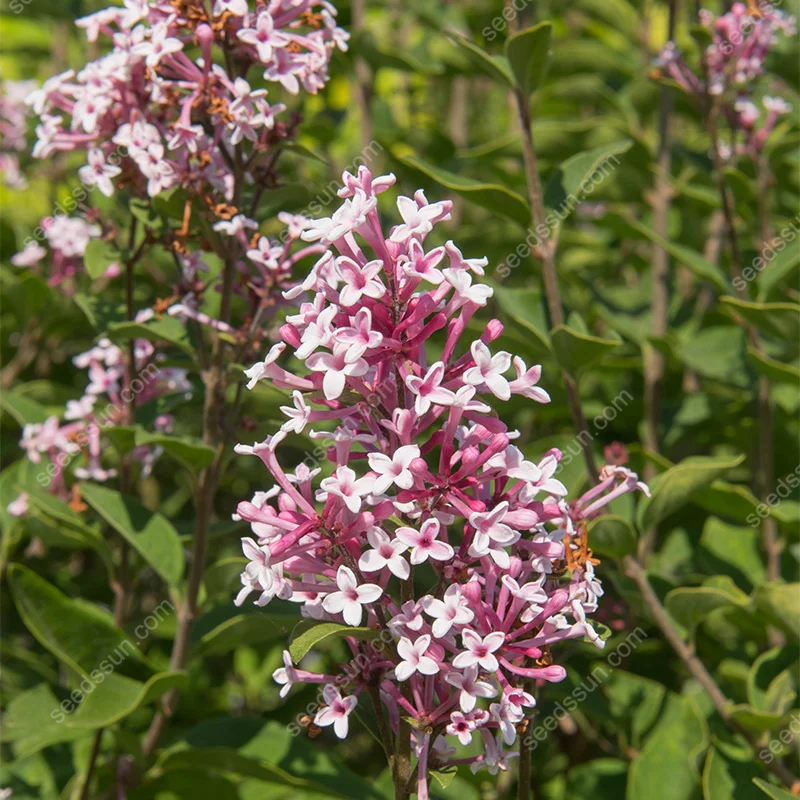
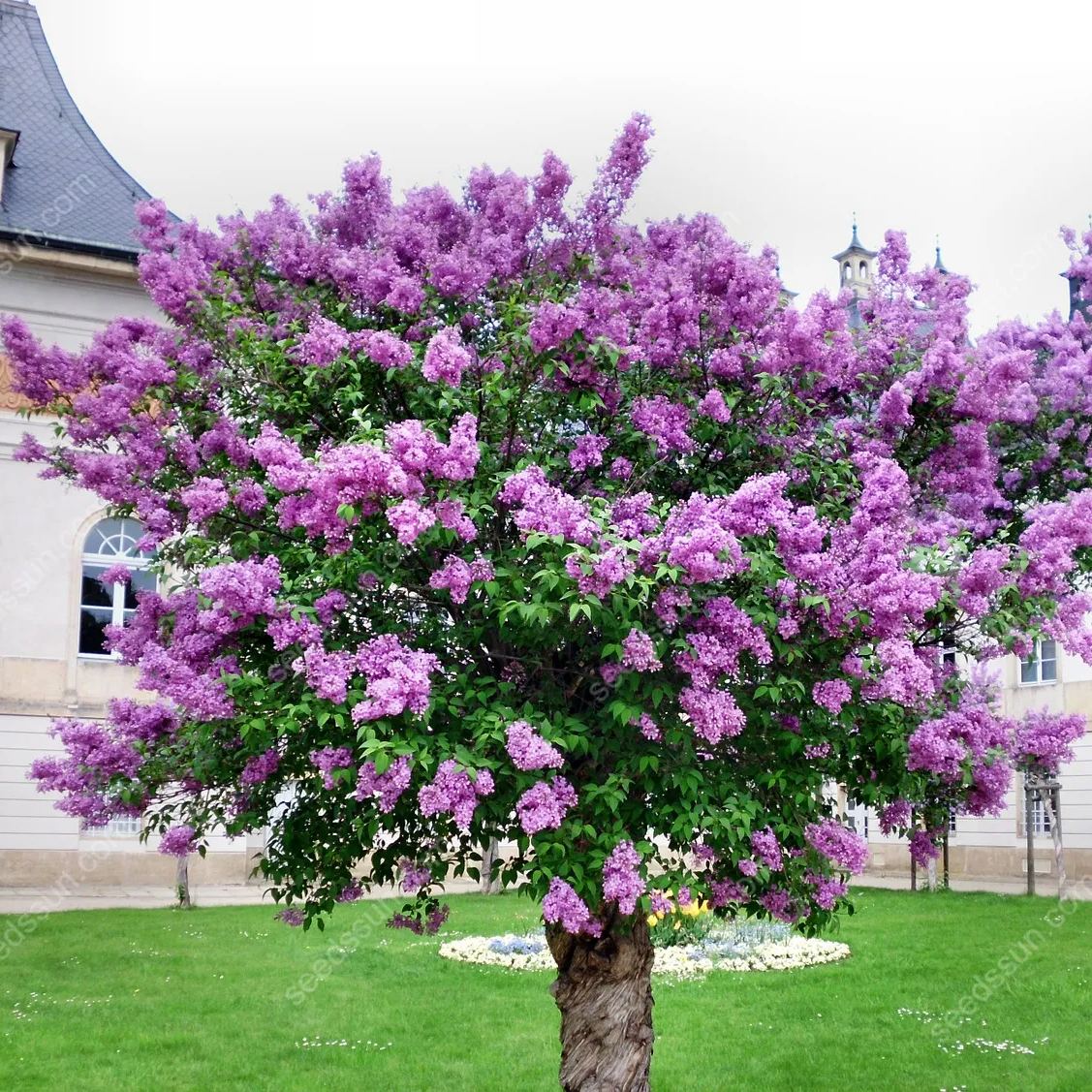
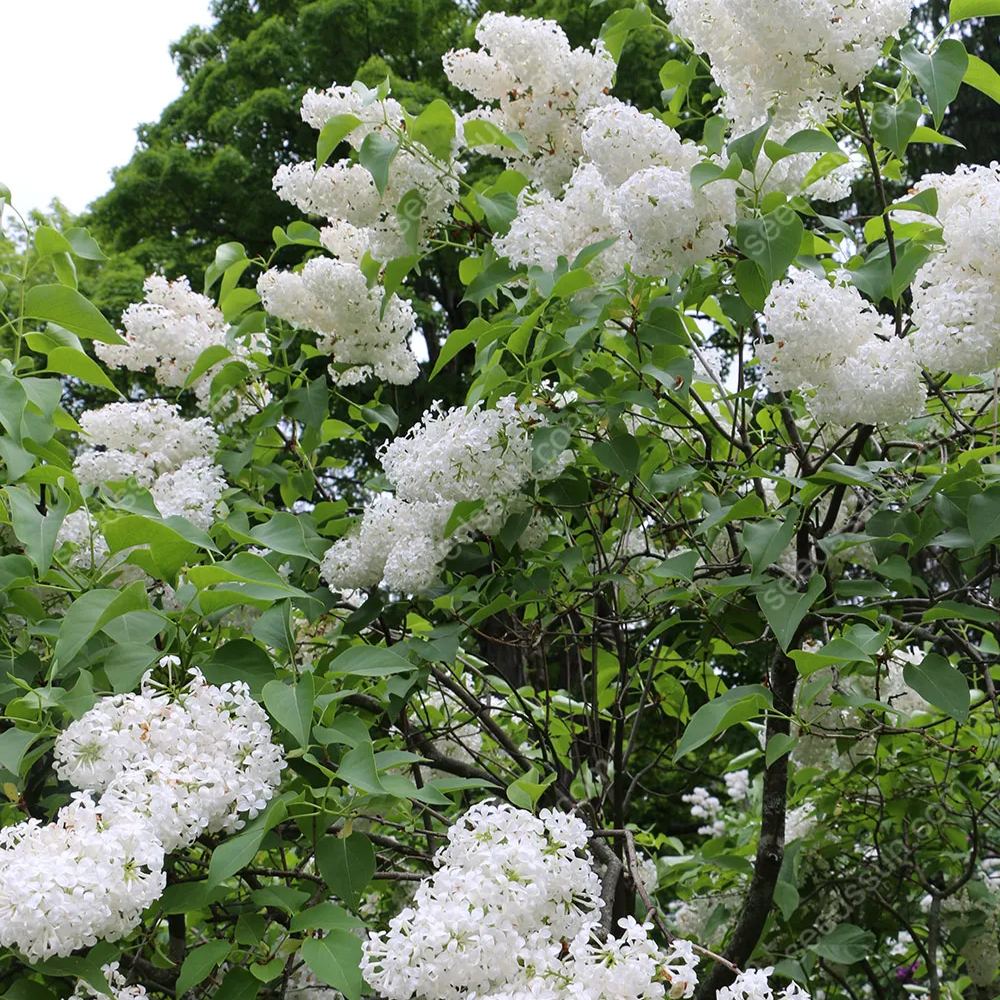
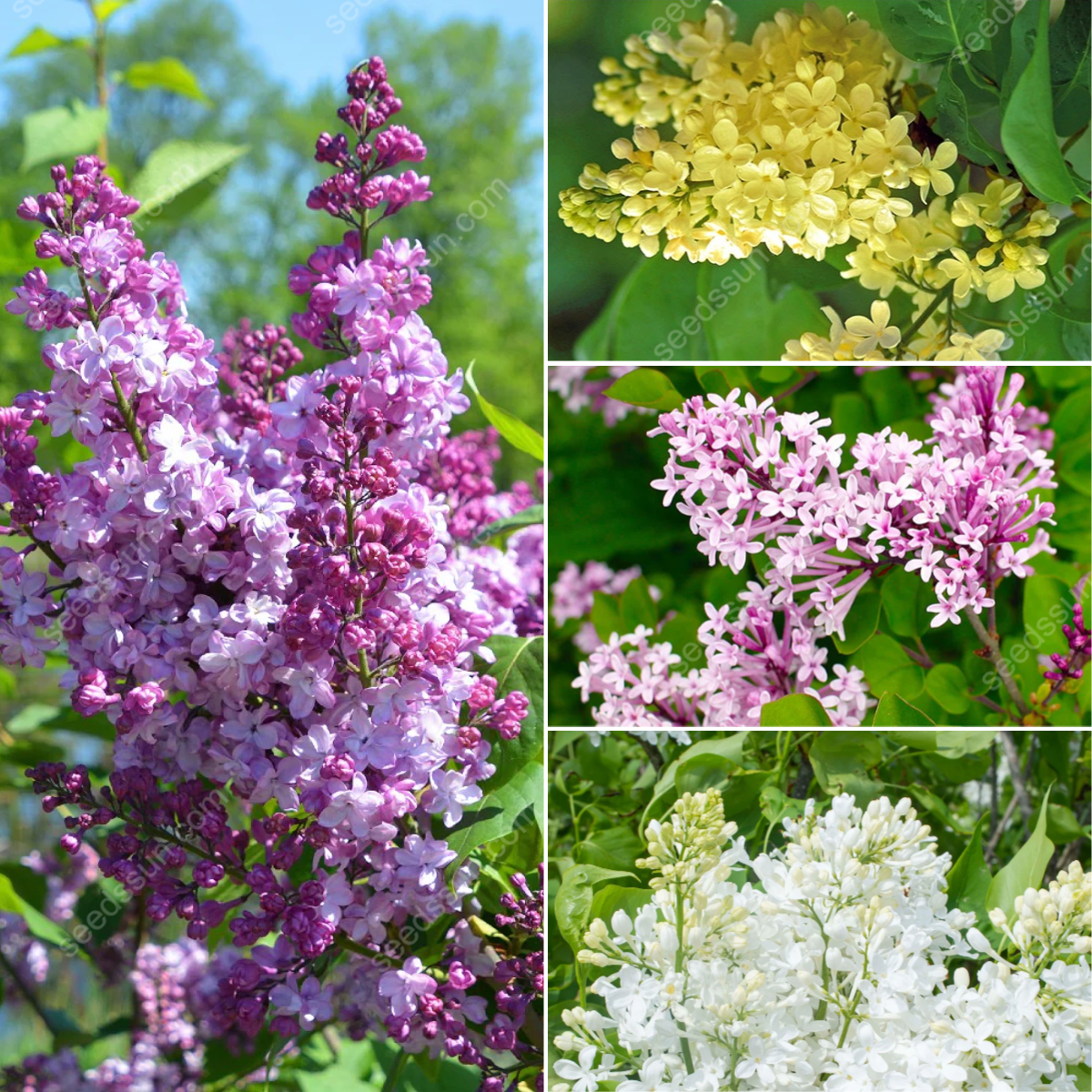
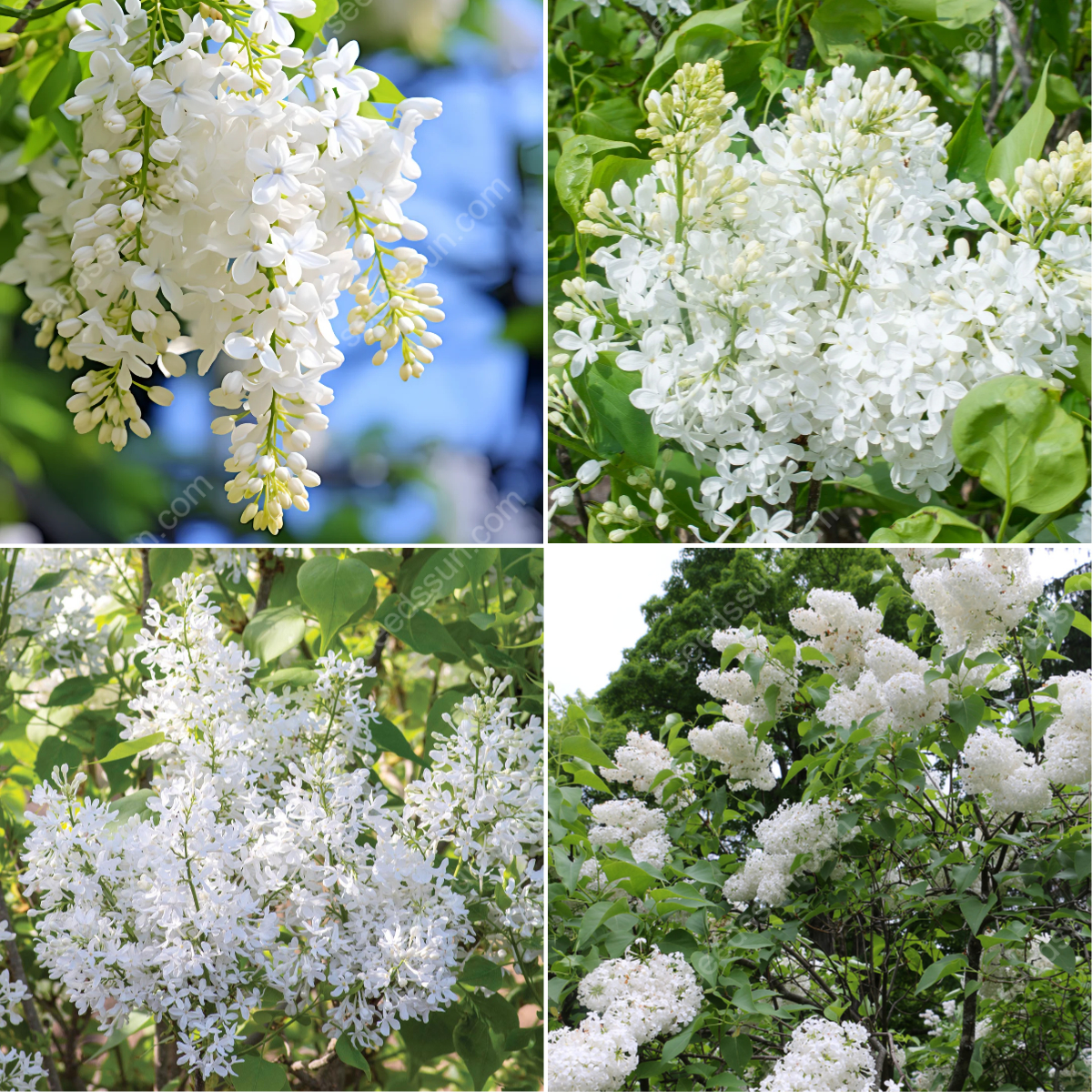
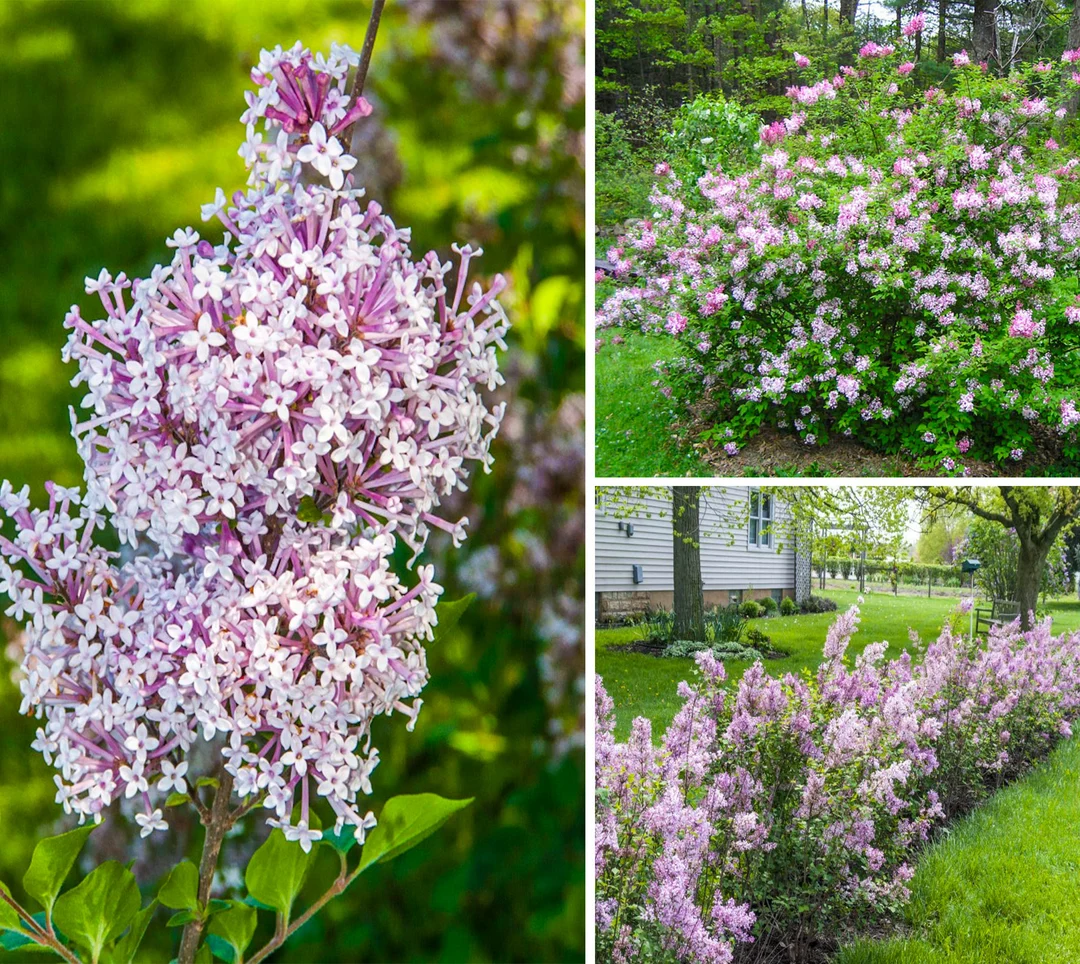
🌈Rich colors: The flowers come in various colors, including purple, white, pink, etc., and look like a sea of flowers during the flowering period.
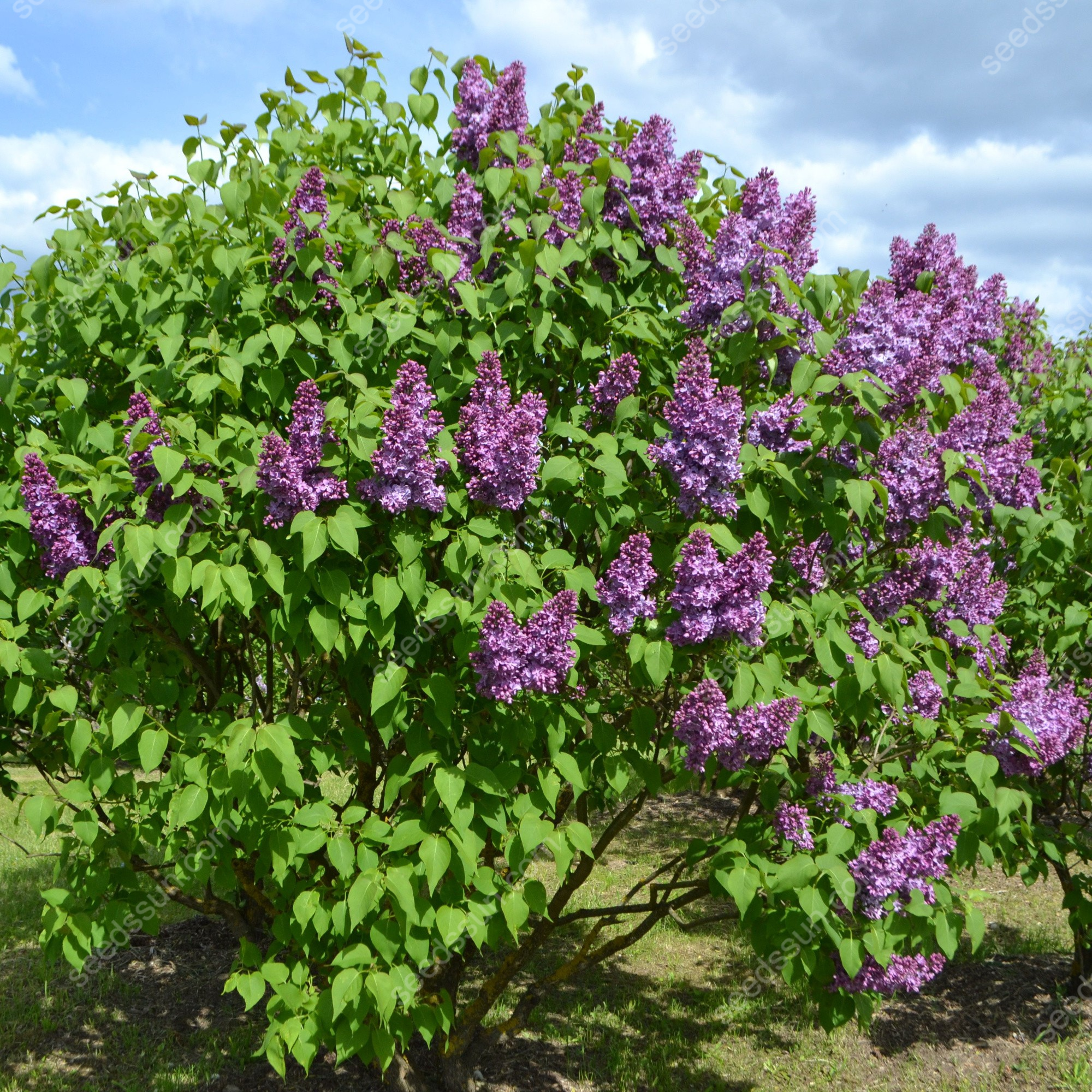
🌿Ornamental value: The inflorescences are dense and highly ornamental, suitable for planting in courtyards and parks.
Planting Guide
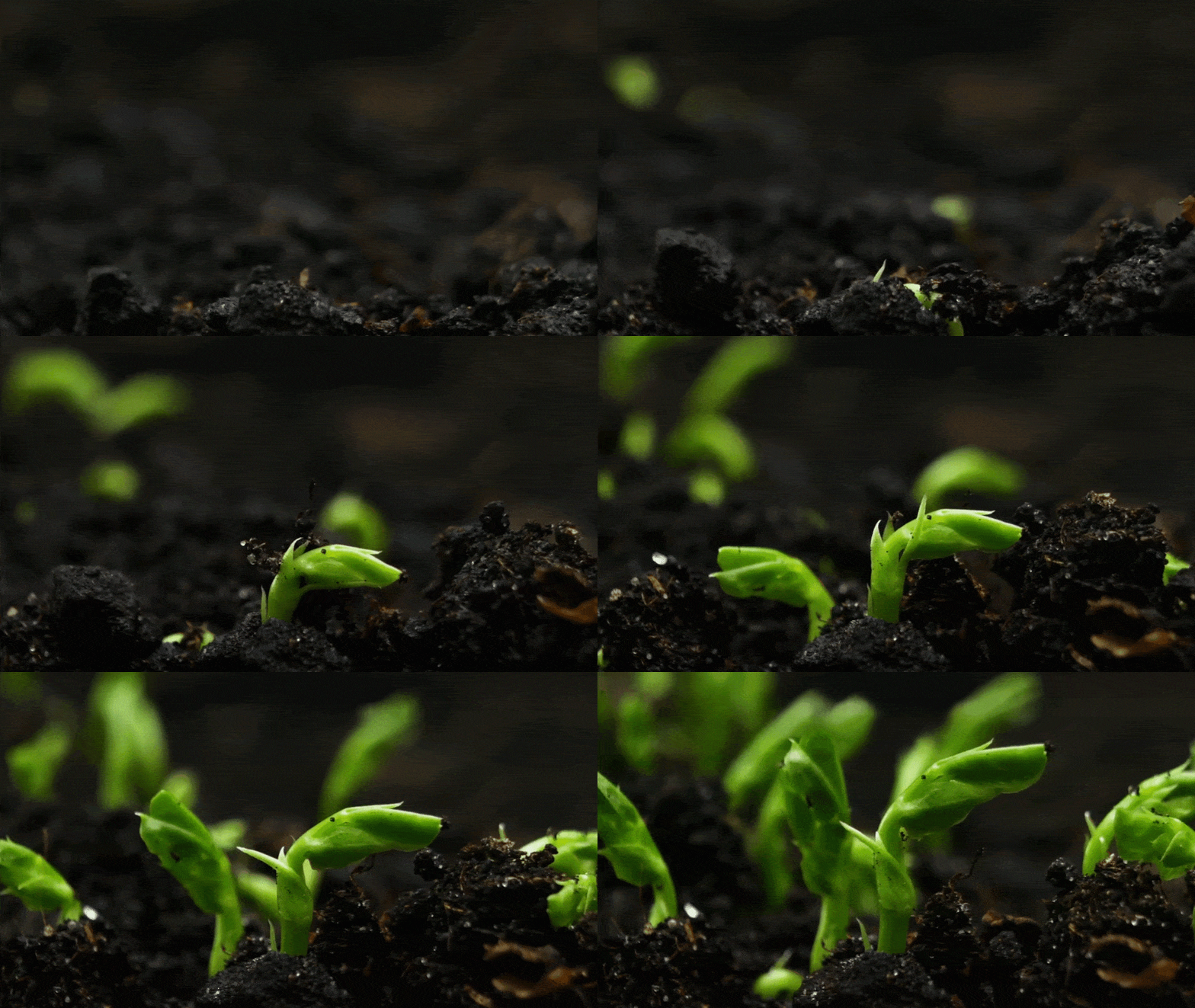
🌼Sowing time: Autumn or early spring.
🪴Lighting conditions: Likes sunshine and needs sufficient sunshine.
 📌Soil Requirements: Well-drained, fertile soil with a neutral to slightly alkaline pH.
💐Sowing method: Spread the seeds on the soil surface and cover lightly with a thin layer of soil. Keep the soil moist, but not too wet.
Care Guide
💧Watering: Keep the soil moist but not too wet, especially during dry seasons.
💞Fertilization: Apply a balanced fertilizer once a month during the growing season to promote healthy growth.
🥰Pruning: Prune the inflorescences after the flowering period to promote better flowering next year.
🐞Pest and disease control: Check leaves and inflorescences regularly, remove infected parts promptly, and use appropriate insecticides and fungicides for control.
Common Problem
🪽Q: Which planting area is suitable for lilacs?
A: Lilacs are suitable for growing in USDA zones 3-7 and are cold tolerant.
💫Q: How to prevent and control pests and diseases?
A: Check leaves and inflorescences regularly, remove infected parts promptly, and use appropriate insecticides and fungicides for control.
🌞Q: How to extend the flowering period?
A: Prune the inflorescence in time after the flowering period, apply appropriate amount of fertilizer, maintain sufficient light and proper watering.
🪴Q: Do I need special winter protection?
A: In cold winter, you can cover the roots with a thick layer of organic mulch to protect them from the cold.